
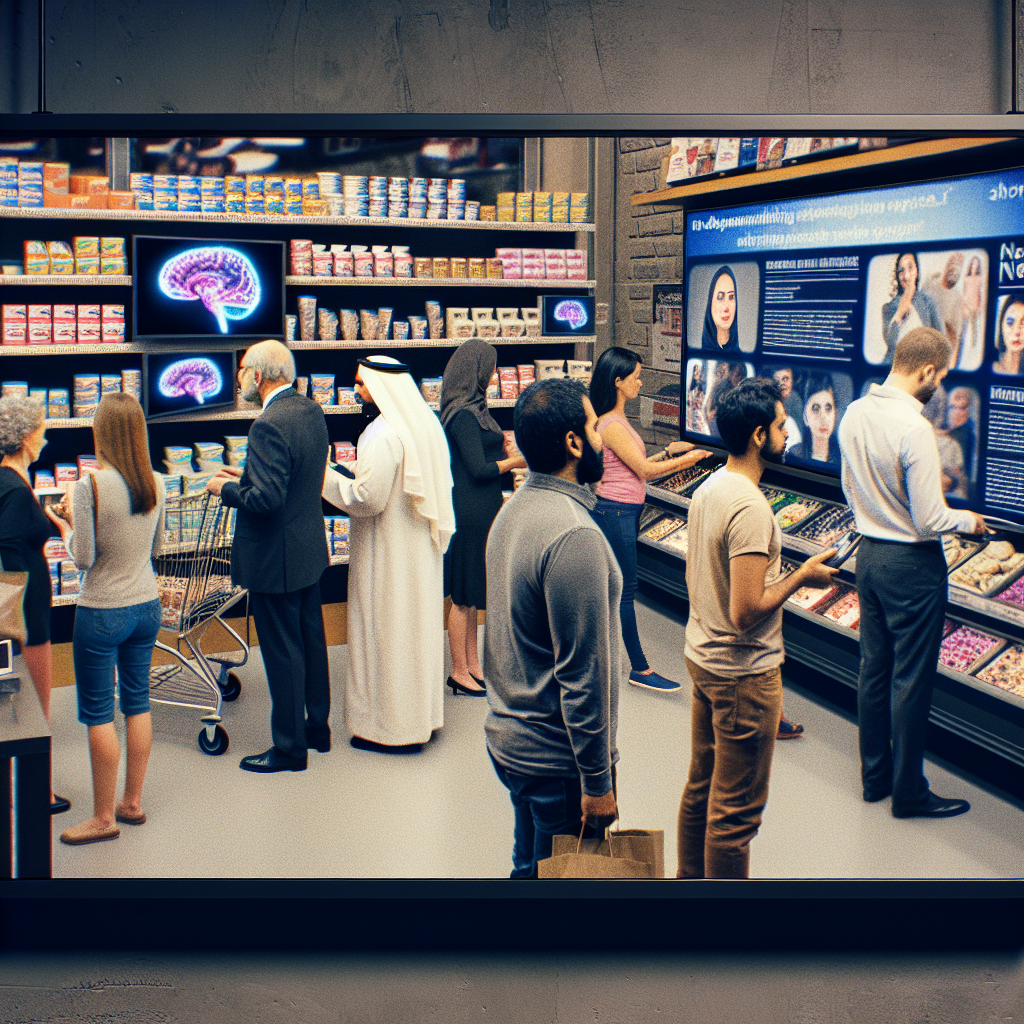
Understanding Consumer Emotions
The Role of Emotions in Decision-Making
From my experience, understanding consumer emotions has been pivotal in crafting campaigns that resonate. Emotions drive decisions—whether we’re aware of it or not. Many people think they make rational choices, but in reality, feelings often sneak in and take control of the decision-making process.
Take, for instance, the feeling of nostalgia. Brands that evoke fond memories can create a deeper connection with their audience. When a consumer feels a patch of warm nostalgia, that can translate into purchases that might not have happened otherwise. So, tap into those emotional triggers!
Beyond just nostalgia, consider the emotions you want your target audience to feel. Fear, joy, surprise—all of these can significantly impact a consumer’s choice. Use storytelling to elicit these emotions and watch how people respond.
<h3 Techniques for Emotional Engagement
Once you’ve identified emotions that resonate, it’s all about the techniques you employ to engage. A fantastic way is through powerful visuals. A striking image can tell a story that words often cannot, and it can make the viewer feel before they even start reading the copy.
However, visuals alone aren’t enough. Combine them with relatable narratives. People love stories, and a story that delivers an emotional punch can help your brand stick out in a crowded marketplace.
Lastly, consider creating emotionally charged experiences. Events or interactive campaigns where consumers can engage with your brand on a deeper level can create lasting impressions. It’s all about building a connection, not just selling a product.
<h3 Measuring Emotional Response
So, how do you know if you’re hitting the right emotional chords? Measuring emotional response can be tricky but totally doable. Tools like biometric feedback or eye-tracking technology can indicate how your target audience reacts emotionally to different stimuli.
Surveys and feedback forms can be super helpful too! Ask customers how they felt about an ad or product. Their responses can provide invaluable insights that help you refine your neuromarketing strategies.
Lastly, keep an eye on social media engagement. If your audience is sharing or commenting passionately about an emotional campaign, that’s a clear sign you’re on the right track!
Leveraging Psychological Triggers
<h3 The Power of Scarcity
Scarcity is a psychological trigger that has fascinated me throughout my marketing journey. The idea that a product is limited can motivate consumers to act quickly. When I launched a limited-time offer, the results were shocking—it created urgency and drove up sales in a way I honestly didn’t expect!
However, it’s not about just saying products are limited—it’s about the storytelling surrounding it. Craft a narrative around why the scarcity exists. This adds authenticity to your marketing efforts, making consumers feel even more compelled to make a purchase.
And remember, this isn’t a one-time trick. Regularly incorporate scarcity in witty and engaging ways to keep your audience on their toes. They’ll come to pay attention to what you have to say when they know there’s a chance to miss out!
<h3 Social Proof as a Tool
<p Another powerful psychological trigger is social proof. Think about it: when I see others using a product or raving about a service, I feel more inclined to buy. As marketers, we can make this powerful tool work for us in various ways, such as showcasing testimonials, user-generated content, or influencer partnerships.
Creating a sense of community around your brand can also enhance social proof. Encourage customers to share their unboxings or experiences on social media. This not only builds community but also promotes organic engagement with your brand.
Your goal should be to create buzz. When consumers see others enjoying what you offer, it triggers their subconscious to jump on the bandwagon. Make it easy for them to be part of that excitement!
<h3 Framing and Context
<p The way I present information—framing—can drastically influence how consumers perceive it. For example, if I offer a discount on a product, it's perceived differently if I frame it as “$20 off” versus “now $80.” The first option highlights savings, while the second focuses on the price point. Small changes in wording can make a big difference in consumer perception!
<p Contesting context is vital too. Use visuals and narratives that complement your framing to guide how individuals interpret your message. By deliberately crafting the context, you're steering the decisions your audience will make.
<p Also, don't underestimate the power of anchoring. Presenting a higher-priced option right next to the one you're promoting can subtly lead consumers to view your sell as a great deal. Leverage this in your marketing strategies to boost conversions!
Creating Memorable Brand Experiences
<h3 Brand Storytelling
<p Brand storytelling is near and dear to my heart. It’s what turns a mundane marketing message into a captivating narrative. A good story is memorable; it sticks with your audience! I've seen firsthand how powerful narratives can create emotional connections, paving the way for brand loyalty.
<p When crafting your brand story, be authentic. Customers will see right through any disingenuous messaging. Share your journey, your struggles, and triumphs. The more authentic your story, the deeper the connection.
<p Remember, the art of storytelling is about engagement, so keep it relatable. Use characters, conflicts, and resolutions that resonate with your audience, and watch them rally around your brand.
<h3 Sensory Marketing
<p Sensory marketing is another gem that should not be overlooked! Incorporating multiple senses can elevate the brand experience immensely. From the sound of a catchy jingle to the scent of a fresh coffee in-store, sensory cues can trigger emotional responses that wander beyond mere visuals.
<p Consider how your brand can engage sight, smell, touch, and even taste. When designing an experience, think about how each sense can enhance the consumer journey. For instance, a product demo where consumers can touch and feel the product can create a deeper understanding and appreciation.
<p The key is to create a multi-sensory experience that transcends traditional advertising. It’s all about making your brand unforgettable, tapping into those emotional connections to keep your customers coming back.
<h3 Personalization
<p From my observations, personalization is no longer just a nice-to-have; it’s expected. Today's consumers want tailored experiences. This means delivering messages or offers that resonate personally with them.
<p Leverage data and analytics to get to know your consumers better and tailor your messaging accordingly. Use their past purchase behavior, browsing habits, and preferences to create a custom experience.
<p Personalization helps consumers feel valued; it speaks to their individuality. Satisfied customers are not only likely to return but also to promote your brand through word-of-mouth. So invest in personalization—it pays off!
Implementing Neuromarketing in Campaigns
<h3 Analyzing Consumer Behavior
<p To get started, I always recommend diving deep into consumer behavior analysis. Observing how your audience interacts with your brand and understanding their interests can guide your neuro-marketing strategies.
<p Make good use of analytics tools to track user behavior across platforms. Look for patterns and trends that indicate how consumers think and feel about your products or services.
<p Don’t rely solely on data—observe in-person, if possible. Focus groups or real-world engagements can provide insights that numbers alone may miss!
<h3 Designing Effective Campaigns
<p Once you assess consumer behavior, the next step is to craft campaigns that reflect those insights. Design your campaign with clarity, appealing visuals, and compelling narratives. My experience tells me that less really is more—keep it simple!
<p Additionally, tailor your messaging to highlight the emotional benefits rather than just features. Consumers want to know how your product will change their lives, not just what it does.
<p Finally, keep testing and iterating your campaigns. Neuromarketing is an evolving field, and what works today may not work tomorrow. Stay adaptable!
<h3 Feedback and Adaptation
<p The final step is with consumer feedback. After launching your campaigns, it’s crucial to gather insights on their performance. Monitor engagement rates, conversion metrics, and gather direct feedback from consumers.
<p Don’t shy away from constructive criticism! Use it to tweak your approach and improve future campaigns continuously. Adapting to what your audience wants is the key to long-term success.
<p Alongside measuring success, I recommend celebrating small victories to motivate your team and keep spirits high throughout the journey.
FAQ About Utilizing Neuromarketing Techniques
1. What is neuromarketing?
Neuromarketing combines neuroscience and marketing principles to understand consumer behavior on a deeper, more emotional level. It focuses on how the brain responds to marketing stimuli, ultimately guiding businesses to create more effective campaigns.
2. How do emotions influence consumer behavior?
Emotions play a critical role in decision-making. They often drive consumers to make purchases based on feelings rather than rational analysis. Brands can leverage emotional triggers to build connections and influence buying decisions.
3. What are some examples of psychological triggers in marketing?
Common psychological triggers include scarcity (limited availability), social proof (testimonials and user reviews), and framing (how information is presented). These tactics can significantly influence consumer perceptions and behaviors.
4. How can sensory marketing enhance the consumer experience?
Sensory marketing engages multiple senses, creating a richer customer experience. By appealing to sight, sound, touch, taste, and smell, brands can evoke stronger emotional responses and build lasting associations with their products.
5. Why is personalization important in marketing?
Personalization shows consumers that a brand understands and values them as individuals. Tailored experiences and messages can significantly improve customer engagement, loyalty, and ultimately, sales.