
Understanding Email Marketing Fatigue
What is Email Marketing Fatigue?
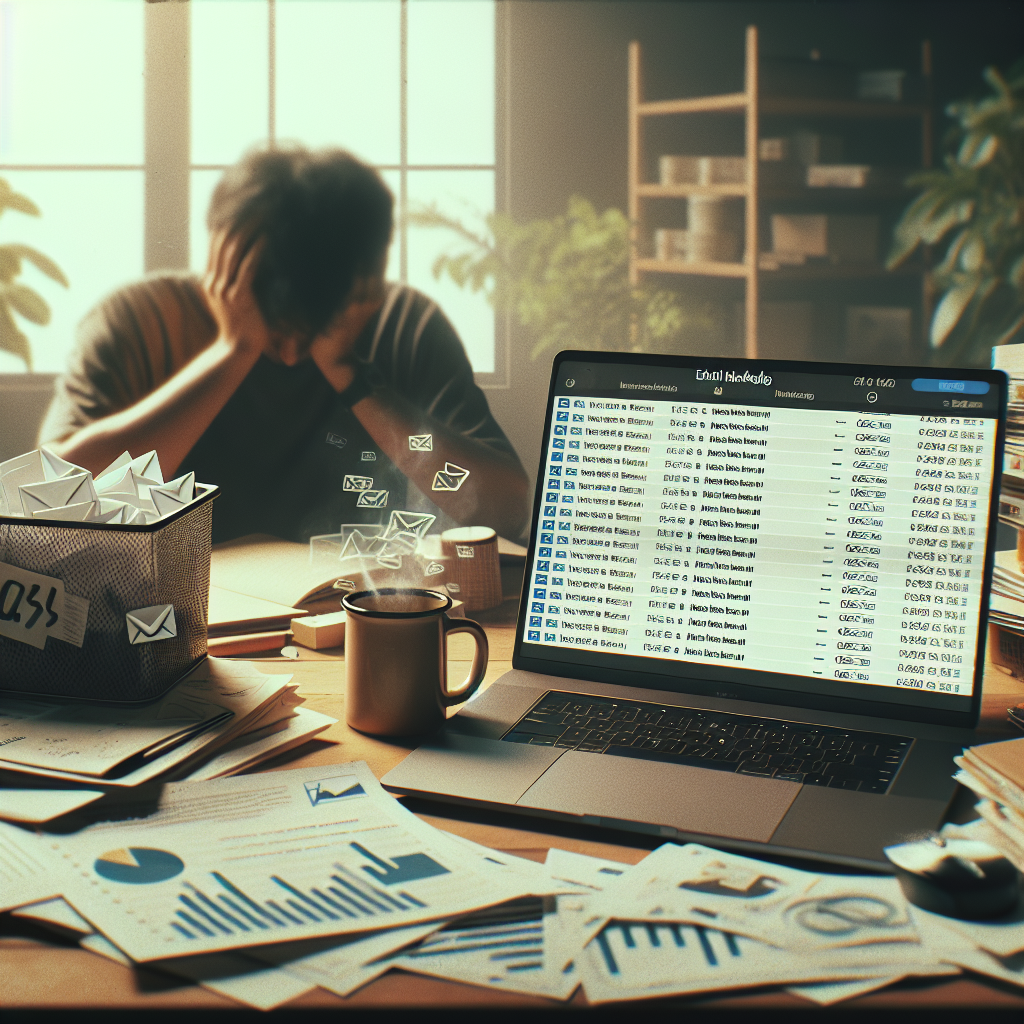
Let me tell you, when I first stumbled into the world of email marketing, I was thrilled about the endless opportunities to connect with customers. Fast forward a few campaigns later, and I realized that not all subscribers are as excited about my emails as I am. Email marketing fatigue is a real phenomenon; it happens when recipients feel overwhelmed by the amount of content landing in their inboxes. This often leads to low engagement rates and increased unsubscribes.
I remember getting that sinking feeling watching my open rates plummet. Suddenly, I was aware that what was once an open invitation had turned into an unwanted noise. The emails I worked hard on were becoming part of the clutter, and I knew I needed to change my approach.
So, what causes this fatigue? It can stem from overly promotional content, lack of personalization, or simply a case of sending too many emails. The goal here is to recognize it, and trust me; once you acknowledge it, tackling it becomes much easier.
Identifying Your Audience’s Needs
First off, you need to know your audience. Seriously, I cannot stress this enough. Dive deep into your subscriber list and segment it based on various criteria like purchasing behavior, demographics, or engagement levels. By tailoring your emails to specific groups, your message becomes more impactful and relevant.
I learned this the hard way when I sent the same generic email to my entire list and received a wave of unsubscribes. It was a real wake-up call! So now, I take the time to craft messages aimed at specific segments, addressing their interests and problems.
Building this understanding takes time, but trust me, it pays off. When your subscribers feel seen and heard, they’re less likely to tune you out. They’ll look forward to your emails rather than dread checking their inboxes!
Content Strategy: Quality Over Quantity
Okay, let’s get to one crucial point: it’s not about how often you send emails; it’s about how valuable those emails are. I used to think that blasting my list with content daily would keep me top-of-mind, but instead, I just created noise.
Now, I focus on delivering content that’s genuinely helpful. Whether it’s a tutorial, a special offer, or informative articles, putting thought into each piece goes a long way. I recall drafting a series of emails centered around industry insights, and the response was overwhelmingly positive!
So remember, rather than cramming your subscribers’ inboxes with frequent updates, prioritize delivering stellar content that they’ll actually look forward to reading. That distinction is game-changing.
Trimming Your List Regularly
The Importance of a Clean List
Let’s face it: your email list isn’t meant to be a trophy you display. It’s about quality, not quantity. In my experience, it’s vital to regularly assess your list and remove subscribers who aren’t engaging. This helps not just in increasing engagement rates but also improves the overall health of your campaigns.
Initially, I hesitated to remove anyone. After all, every subscriber counts, right? But after witnessing the difference a clean list made, I realized that those dormant emails were just dead weight dragging down my stats.
Keep an eye on your analytics; if someone hasn’t interacted with your emails in months, it might be time to say goodbye. It’s all about focusing on those who care, and honestly, this cleaner approach makes my campaigns more effective.
Re-engagement Campaigns
For those on the fence—don’t give up on them just yet! Implementing a re-engagement campaign can work wonders. I like to send a friendly “We miss you!” email to rekindle the connection, offering something valuable like a discount or exclusive content.
In one instance, I crafted a special series for inactive subscribers featuring fresh content alongside a simple survey asking what they’d like to see moving forward. The engagement rates shot up, and many returned to being active subscribers!
Remember, it’s not just about letting people slip away; it’s an opportunity to reach out and understand why they lost interest in the first place. Sometimes a little nudge can reignite the spark!
Healthy Email Cadence
Establishing a rhythm with your email schedule is key. Listen, I’ve been there—bombarding my subscribers with emails during a sale or event, only to have them unsubscribe in droves. Finding the right frequency requires experimenting, but once you hit that sweet spot, your audience will appreciate your consistency.
I like to start with a bi-weekly email and adjust based on the feedback and engagement rates. You might even conduct surveys to determine their preferences! A friendly message asking how often they’d like to hear from you can yield great insights.
In my experience, the goal is to create anticipation rather than fatigue—striking that balance means subscribers will look forward to your emails without feeling overwhelmed.
Delivering Personalization
The Basics of Personalization
Here’s the thing: mere segmentation isn’t enough. Real personalization goes beyond just including someone’s name. It involves understanding their unique journey with your brand. Different recipients want different things, and it’s upon us to deliver that.
When I implemented personalized recommendations based on past purchases, the response astounded me! Subscribers who received tailored suggestions were far more inclined to engage with my emails.
Using data to curate content ensures your emails feel personal and relevant, turning them into valuable communication rather than just marketing noise.
Dynamic Content and Automation
Next up, dynamic content! This nifty approach enables you to alter the email’s content based on the recipient’s preferences or behaviors. Think of it as a personalized experience tailored just for them.
I remember experimenting with dynamic sections in my emails where I could highlight products based on previous interactions. The engagement was night and day! Automation tools make this easy, and it’s a real game-changer in overcoming fatigue.
Embracing technology not only enhances personalization but also saves hours of manual work. Trust me; your audience will appreciate the effort!
Analyzing and Iterating
Lastly, take the time to analyze the results of your campaigns. This isn’t a “set it and forget it” scenario. I’ve found that reviewing open rates, click-through rates, and subscriber feedback can reveal patterns and areas for improvement.
For instance, I often revisit campaigns that didn’t resonate. Was the subject line a snoozer? Did the timing feel off? Learning from past campaigns helps refine future ones, creating continuous improvement.
So commit to ongoing analysis; it’s the best way to combat fatigue and ensure your email strategy remains relevant and engaging. Trust me, it’s worth the investment!
FAQs
What is email marketing fatigue?
Email marketing fatigue occurs when subscribers feel overwhelmed by the volume of emails they receive, leading to disengagement or unsubscribing.
How can I reduce email marketing fatigue?
To reduce fatigue, focus on sending quality content, personalize your messages, regularly clean your list, and maintain a healthy email cadence.
Does a clean email list improve performance?
Yes! A clean email list often leads to improved open and click-through rates, as it focuses on engaged subscribers who care about your content.
How often should I send marketing emails?
The optimal frequency varies by audience, but starting with bi-weekly emails offers a balanced approach. Listen to feedback and monitor engagement to refine your schedule.
What role does personalization play in email campaigns?
Personalization enhances the relevance of your emails, leading to higher engagement rates. Tailoring content and recommendations makes subscribers feel valued and seen.