
Understanding Retail Media’s Landscape
What’s the Big Deal?
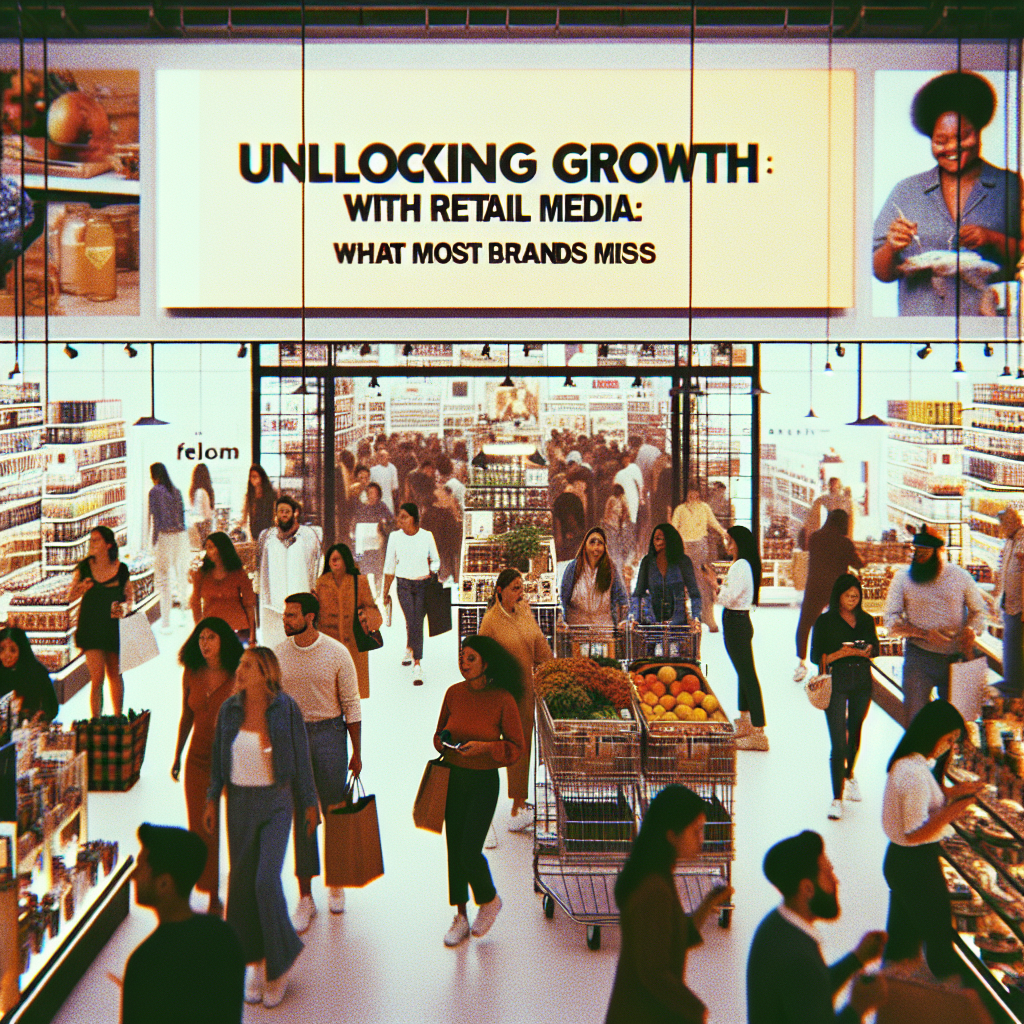
Let’s get real—retail media is blowing up right now, and brands that aren’t paying attention are missing a golden opportunity. It’s like walking by a goldmine without picking up a single coin. As I dove into the intricacies of retail media, I realized it’s not just an ad space; it’s a comprehensive ecosystem that combines the power of traditional advertising with the directness of e-commerce.
When you think about it, your product is literally sitting on a digital shelf, right next to others. Context matters here. The way digital media is integrated into the shopping experience can massively influence a buyer’s journey. Retail media helps brands grab the shopper’s attention right at the moment they’re ready to buy, and that’s huge.
In essence, understanding this landscape sets the stage for everything else. It allows us to tailor our messages, understand consumer behavior, and most crucially, be present when they’re making decisions. Ignoring retail media is like throwing away keys to your car—you’ll get nowhere fast!
Aligning with Retail Partners
The Power of Collaboration
Why go it alone when collaboration can lead to unprecedented growth? I’ve learned over the years that aligning with retail partners can leverage mutual strengths. When my team started working closer with retail partners, we uncovered insights into consumer behaviors that we never would have had just by looking at our data in isolation.
Aligning with retail partners also means creating a harmonious blend of marketing strategies. It’s about understanding what works for them, what resonates with their customers, and finding that sweet spot where our products can deliver value. This synergy can lead to co-branded campaigns that blend our visions perfectly.
Moreover, these partnerships often mean shared resources. From creative assets to data analytics, working with retail partners can take a lot of pressure off our marketing teams while giving us access to a wider audience. Truly, it’s the old-school ‘together we rise’ mentality applied in a modern way!
Leveraging Data for Smart Decisions
Data is King
I’ve said it before and I’ll say it again: data is king! The right data can help us tailor our messages and refine our ad spend. I discovered that analyzing previous campaign data not only provides a look at what strategies have worked in the past but also gives us a clearer view of our audiences’ preferences moving forward.
From customer demographics to purchasing behaviors, data becomes a treasure trove when used correctly. Instead of generalizing marketing tactics, I’ve found that employing targeted strategies based on detailed analytics can significantly drive engagement and increase conversions. Knowing who is buying what and when can lead to incredibly personalized campaigns.
Moreover, real-time analytics help us pivot quickly. If a campaign isn’t performing as expected, we can adjust quickly rather than waiting until the end of a long cycle. It’s all about being agile and responsive, which is crucial in today’s fast-paced market!
Creative Strategies that Resonate
Telling a Story
Creativity shines brightest when it’s woven into a compelling narrative. Over my years in marketing, I’ve learned that consumers connect with stories rather than just products. Retail media provides a unique canvas to tell these stories. It’s a real playground where creativity meets strategy.
For instance, incorporating user-generated content can foster a genuine connection with our audience. Imagine a series of advertisements featuring real customers using our products—that’s not just an ad; it’s a story that potential buyers can relate to. It’s all about building authenticity, and trust is everything!
Moreover, leveraging local culture in our advertisements can create a strong resonance with the target audience. When I adjusted our campaign to highlight local artists and influencers, it created a buzz that appealed directly to the demographic we wanted to reach. Creativity mixed with cultural relevance equals engagement!
Measuring Success Beyond Standard Metrics
Looking Deeper
Sometimes, the numbers don’t tell the whole story. Early in my career, I made the mistake of relying solely on traditional metrics like click-through rates and conversions. But as I delved deeper, I realized there’s so much more to uncover. Success should be measured in terms of overall brand lift, customer loyalty, and even sentiment analysis.
For instance, using surveys and customer feedback can give insights into how well a campaign resonates. It’s not just about how many people clicked on an ad, but whether they remember the brand and how they feel about it afterward. I’ve learned that these insights are invaluable for refining future campaigns.
Lastly, ongoing analysis helps us adapt and optimize campaigns in real-time. Rather than waiting weeks or months to analyze results, I’ve found that adjusting based on qualitative feedback can dramatically boost our outcomes. It’s all about building a feedback loop that leads to continuous improvement.
FAQ
1. What is retail media?
Retail media refers to advertising that takes place on retail websites and platforms, allowing brands to target consumers at the point of purchase. It’s like advertising on a supermarket shelf but in the digital space.
2. Why are partnerships important in retail media?
Partnerships enhance the reach and effectiveness of marketing strategies. They allow brands to co-market and pool resources, ultimately leading to greater audience engagement and increased sales.
3. How can data improve marketing strategies?
Data provides insights into consumer behavior, preferences, and market trends. This information aids brands in personalizing their marketing campaigns, optimizing spend, and adjusting strategies in real-time based on actual performance.
4. What role does creativity play in retail media?
Creativity sets your brand apart in a crowded market. It allows for storytelling that connects with consumers on a personal level, making ads more relatable and engaging.
5. How should brands measure the success of retail media campaigns?
Success should be measured by a combination of metrics, including brand lift, consumer sentiment, and long-term loyalty, rather than just traditional metrics like clicks and conversions. Surveys and feedback are also important.
Related Content
- Implementing Low-Cost Content Marketing for High Returns
- The Case for Cutting Budget—and Still Achieving More with Smarter Marketing
- The Role of Geotargeting in Cost-Effective Advertising
- Podcast Advertising: A Hidden Goldmine for Performance Marketers
- Is Your Marketing Actually Driving Revenue? The Incrementality Test You Need