
Creating a Welcoming Environment
First Impressions Matter
When onboarding new users, one of the most crucial aspects is making a great first impression. Imagine walking into a new coffee shop: the smell of freshly brewed coffee, warm lighting, and friendly baristas immediately make you feel at home. That’s the kind of environment we want to create for users. We need to engage them right off the bat with welcoming messages, relatable visuals, and easy navigation. This sets the tone for their entire experience with your product.
In my experience, using friendly, jargon-free language in onboarding messages can break down initial barriers. Instead of overwhelming new users with technical jargon, we should relay information in a straightforward manner. By guiding them with simple prompts and helpful tips, we can ensure they feel more comfortable exploring the product. Make sure each interaction feels personal and warm.
Additionally, incorporating visual elements like a quick video tour can effectively engage users. Think about it—seeing someone navigate the product can alleviate confusion and provide direction. This walks them through the features, helping them understand the value quickly without feeling lost. A strong visual introduction can be the spark that lights up their onboarding journey.
Setting Clear Expectations
Outline the User Journey
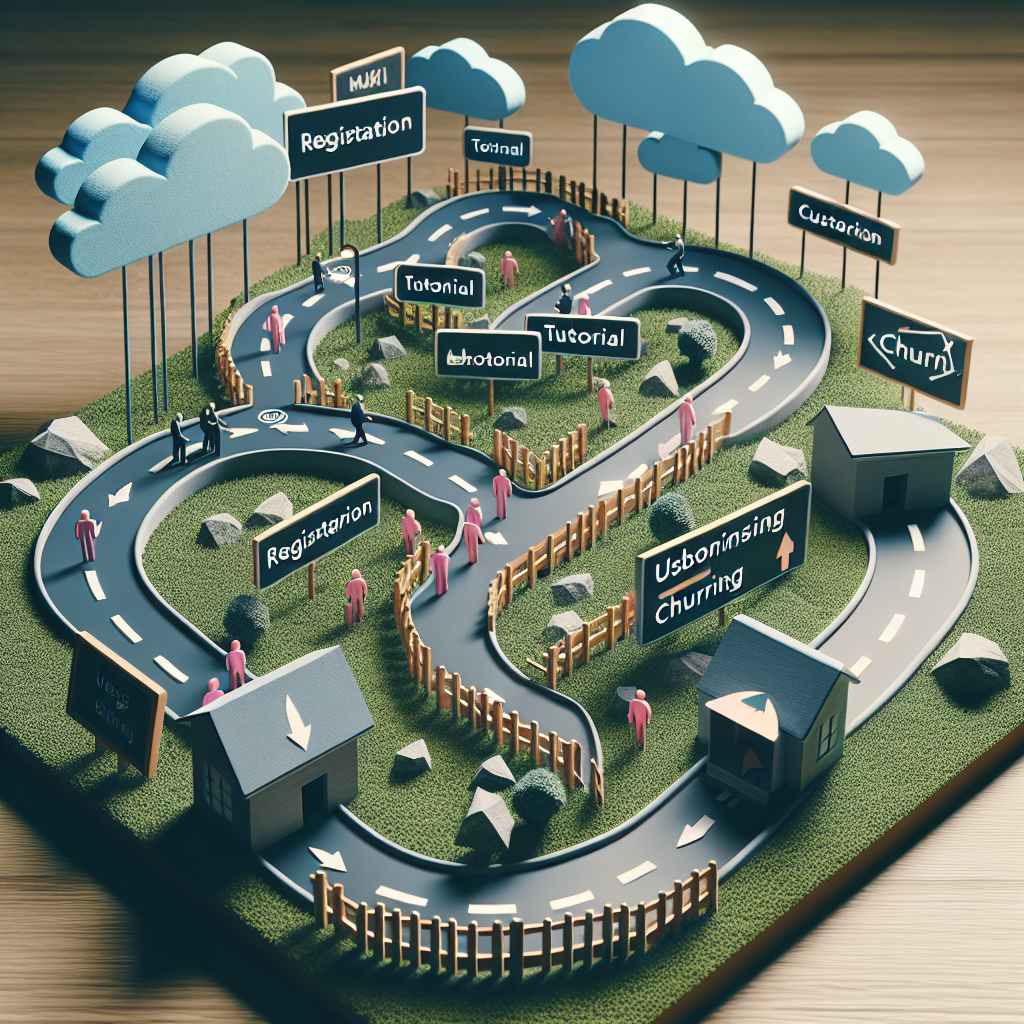
One of the biggest mistakes we can make is assuming users automatically know how to navigate our service. It’s super vital to clearly outline the steps they’ll take as they get familiar with the product. Think of it like a roadmap: without it, you can easily lose your way. By detailing what users can expect at each stage, we help them feel prepared and less anxious.
This can be achieved through a checklist or timeline presented during onboarding. Users can visually see what’s required of them, and that’s empowering! Plus, checking off milestones gives a sense of accomplishment, which can increase their enthusiasm about continuing to engage with the product.
Feedback loops can also play a massive role here. Allowing users to ask questions or share experiences during the onboarding process not only clarifies their path but also builds a sense of community. When users feel their input is valued and respected, they’re more likely to stick around.
Personalizing the Onboarding Process
Tailor Content to User Needs
Personalization in onboarding shouldn’t just be a buzzword; it’s a necessary component of reducing churn. Each user comes with their unique needs and expectations, and we shouldn’t treat them like a one-size-fits-all scenario. Instead, let’s tailor content based on their preferences and behaviors. For example, if a user signs up looking specifically for productivity tools, we shouldn’t waste their time with irrelevant features.
Utilizing automated surveys during signup to gather user preferences can go a long way. By asking a few simple questions, you can segment your users and send them personalized guidance suited to their interests. This approach not only enhances the onboarding experience but also builds a deeper connection with your users from day one.
Moreover, showing users how to benefit from specific features that matter to them can prevent them from feeling overwhelmed. The right amount of personalization can make users feel valued, as if the product was designed just for them. That’s the kind of relationship we want to foster!
Utilizing Engaging Educational Tools
Incorporate Interactive Learning
This is where things get really fun! Engaging educational tools are a game changer when it comes to user onboarding. Instead of traditional manuals or tutorials, think interactive learning experiences. Users love to engage with content that allows them to learn by doing rather than just by reading.
Tools like interactive tutorials or gamification can keep users engaged and make learning about the product feel rewarding. For instance, including small challenges or mini-quizzes can spark curiosity and encourage users to explore the product further. It turns learning into a game—a much more enjoyable experience, right?
And let’s not forget the power of community. Creating forums or chat groups where users can share tips and success stories can foster a learning environment. When they see other users thriving, it motivates them to engage more fully, turning potential churners into loyal customers.
Continuous Improvement and Feedback Collection
Assess and Adapt Onboarding Strategies
The process of optimizing user onboarding should never truly be “finished.” It’s all about continuous improvement. Regularly collecting feedback from users about their onboarding experience can provide invaluable insights. This helps to determine what’s working and what might need revising. After all, the goal here is to make users feel supported and engaged right from the start.
Creating a feedback loop not only makes users feel heard but can also highlight pain points we may not have considered. A simple follow-up survey asking, “What did you like?” and “What could we improve?” can yield rich data for enhancing your onboarding process.
Remember, the onboarding experience can significantly impact retention. By staying flexible and willing to tweak the process based on real user experiences, we can drive higher engagement levels and reduce churn rates. This willingness to adapt is critical in our ever-evolving landscape.
FAQs
1. What is user onboarding?
User onboarding refers to the process of introducing new users to a product or service, guiding them through essential features, and helping them find value in it.
2. Why is optimizing user onboarding important?
Optimizing user onboarding is crucial because it enhances the user experience, increases satisfaction, and helps reduce churn by ensuring that users see value in your product right away.
3. How can I personalize the onboarding process for users?
You can personalize onboarding by segmenting users based on their interests, behaviors, or responses to introductory surveys, allowing you to tailor the experience to their specific needs.
4. What tools can facilitate engaging educational tools during onboarding?
Interactive tutorials, gamification, and community-based forums or chat groups can help enhance the onboarding experience and keep users engaged.
5. How often should I collect feedback on my onboarding process?
It’s ideal to collect feedback regularly, especially after users complete onboarding. This helps you identify areas for improvement and keep your new user experience optimized.